// L03 — Workflow & Production
Workfront Workflow Transformation
Realistic timelines, faster work, fewer rush jobs.
// The brief
A high-volume creative operation needed a more reliable way to route work: clearer intake, better prioritization, smoother reviews and approvals, and reporting leadership could trust. I helped shape how that ran in Workfront.
// The challenge
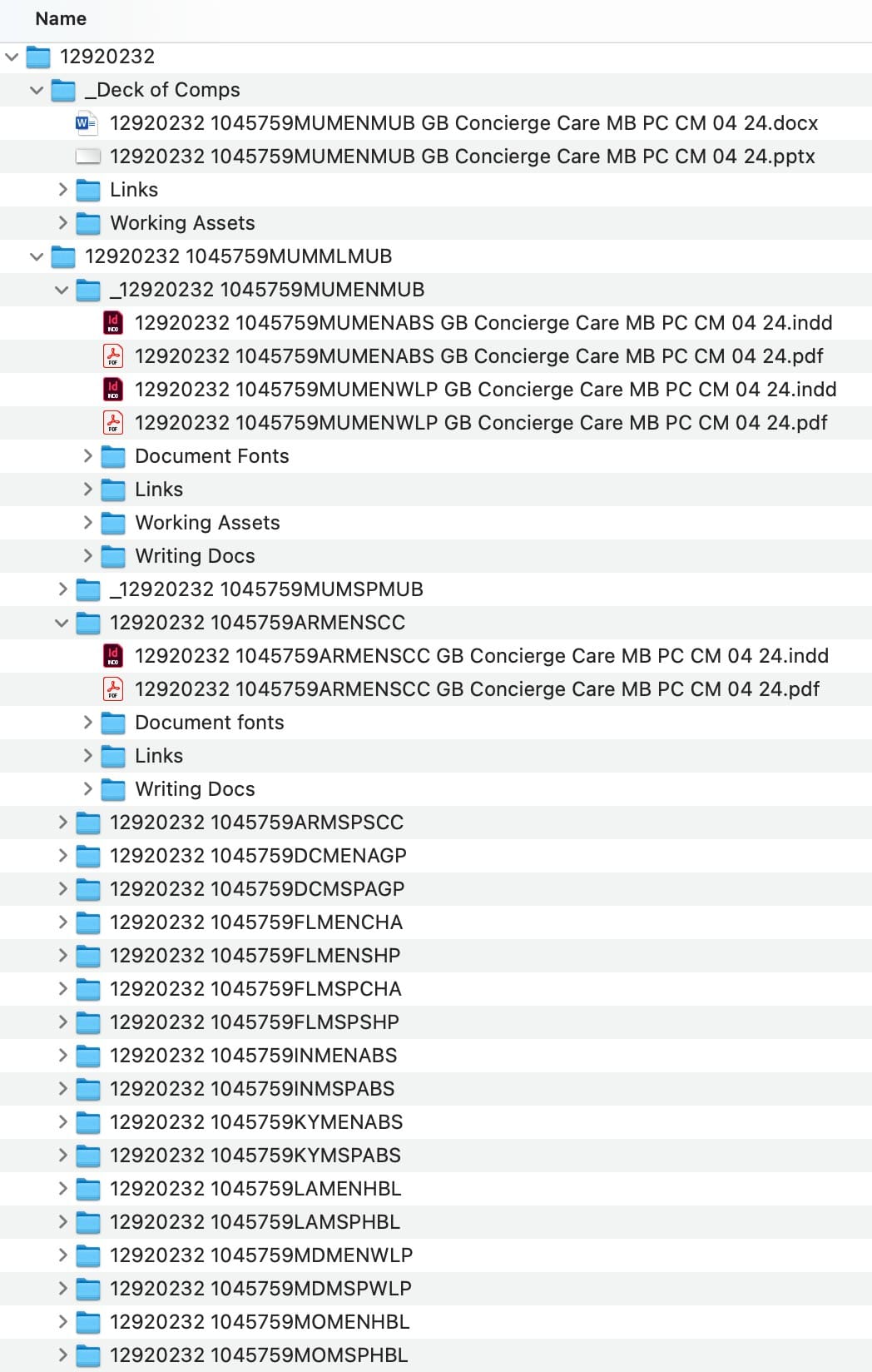
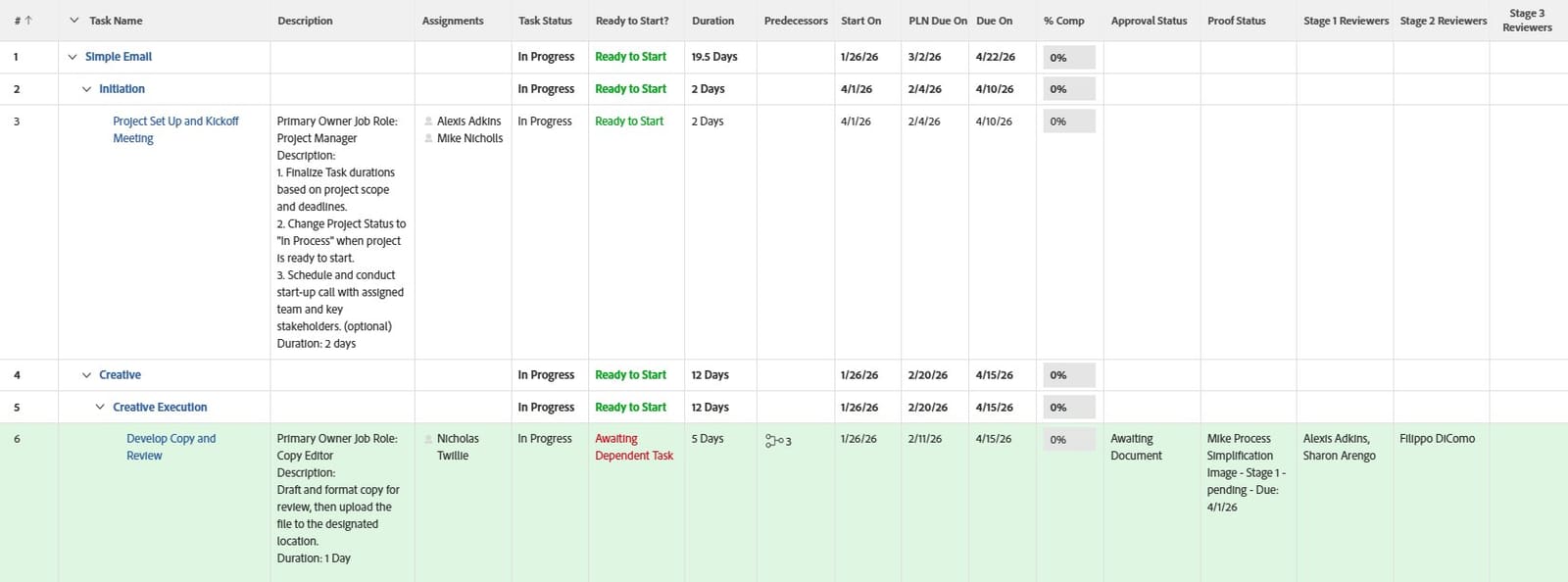
The legacy instance — “Single Spine,” the consolidation of five separate Workfront systems into one — drew constant complaints from writers, designers, project managers, and requesters. Phase timing was the core issue: on paper, the timeline for each task ran so long that PMs and requesters balked the moment they saw it, and rushed, haphazard jobs filled the gap. Work sat buried under numeric job codes and nested folders, and the process no longer matched how creative actually worked.
An enterprise environment with many stakeholders and a platform in daily use — the migration had to land without stopping the work. A large cross-functional effort with many people involved; I led the creative side through both the legacy instance and the rebuild.
// The work
// The mandate
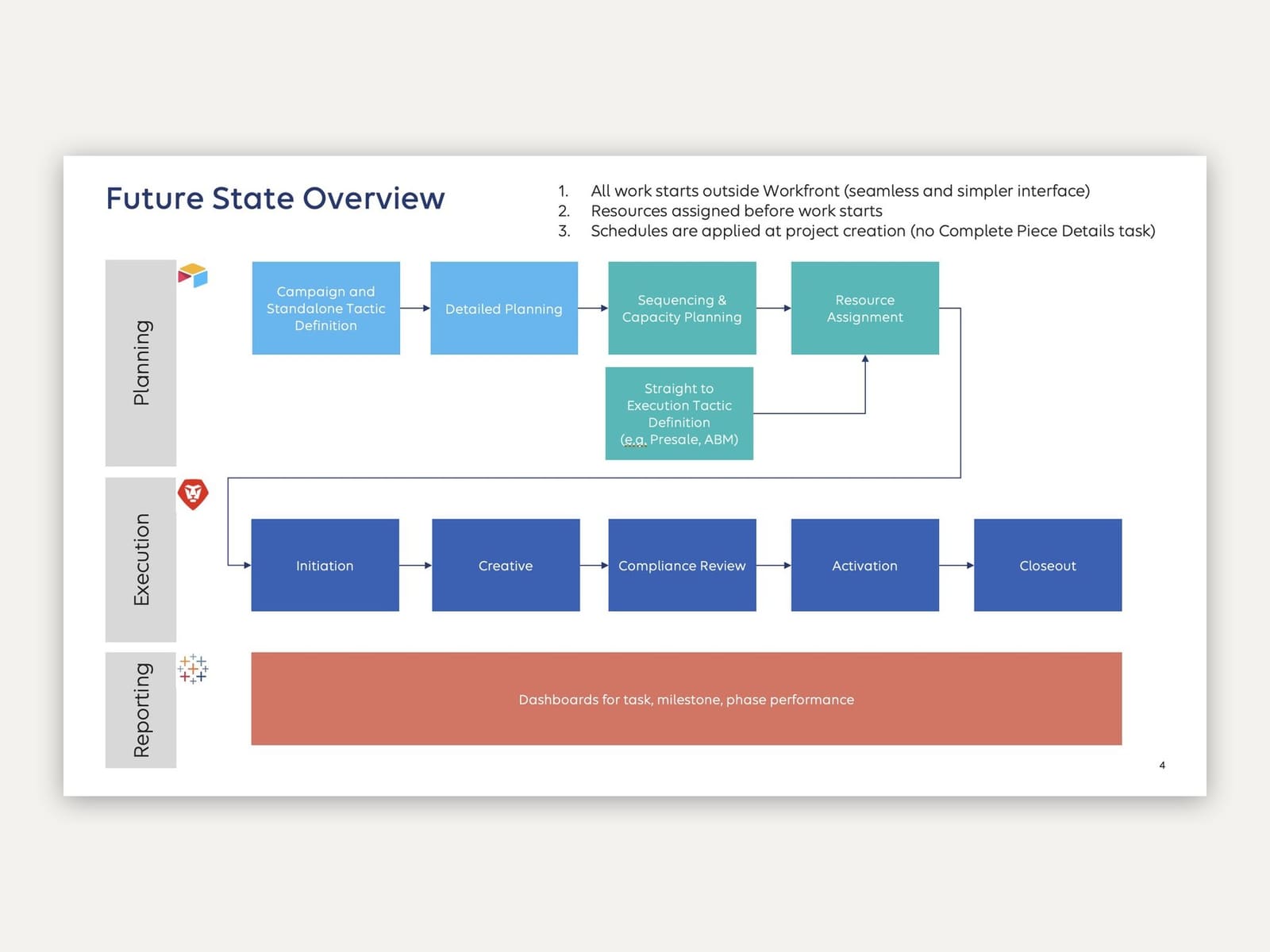
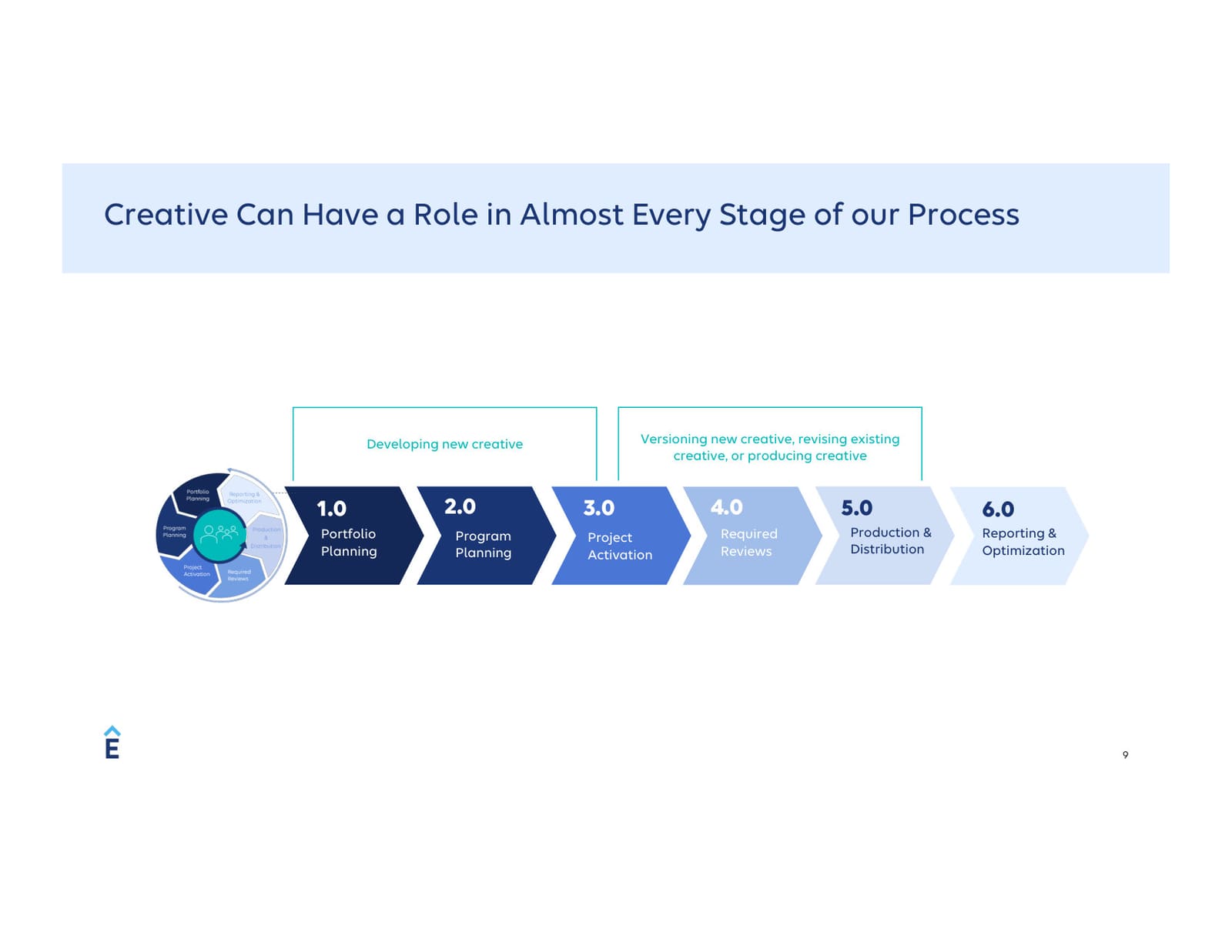
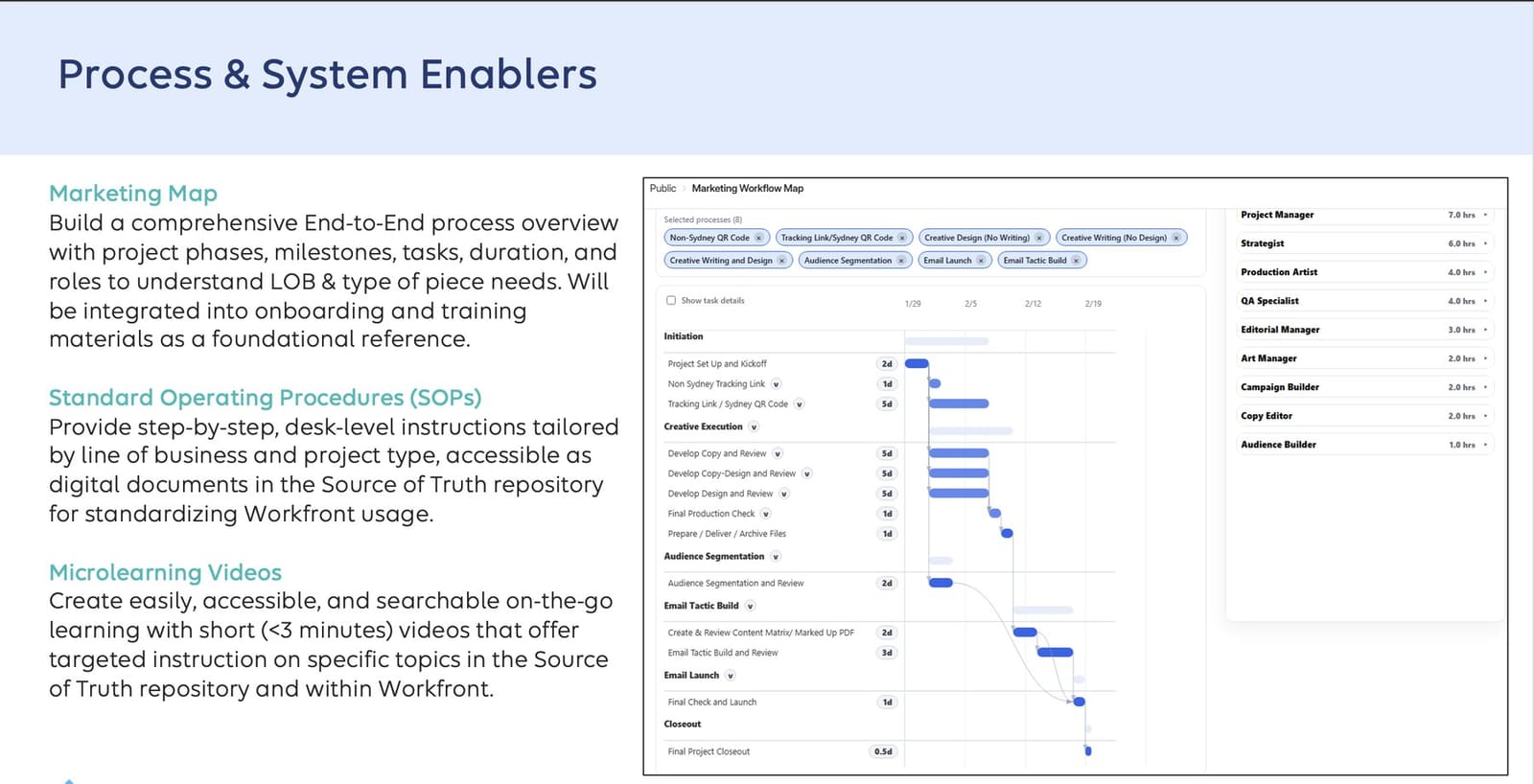
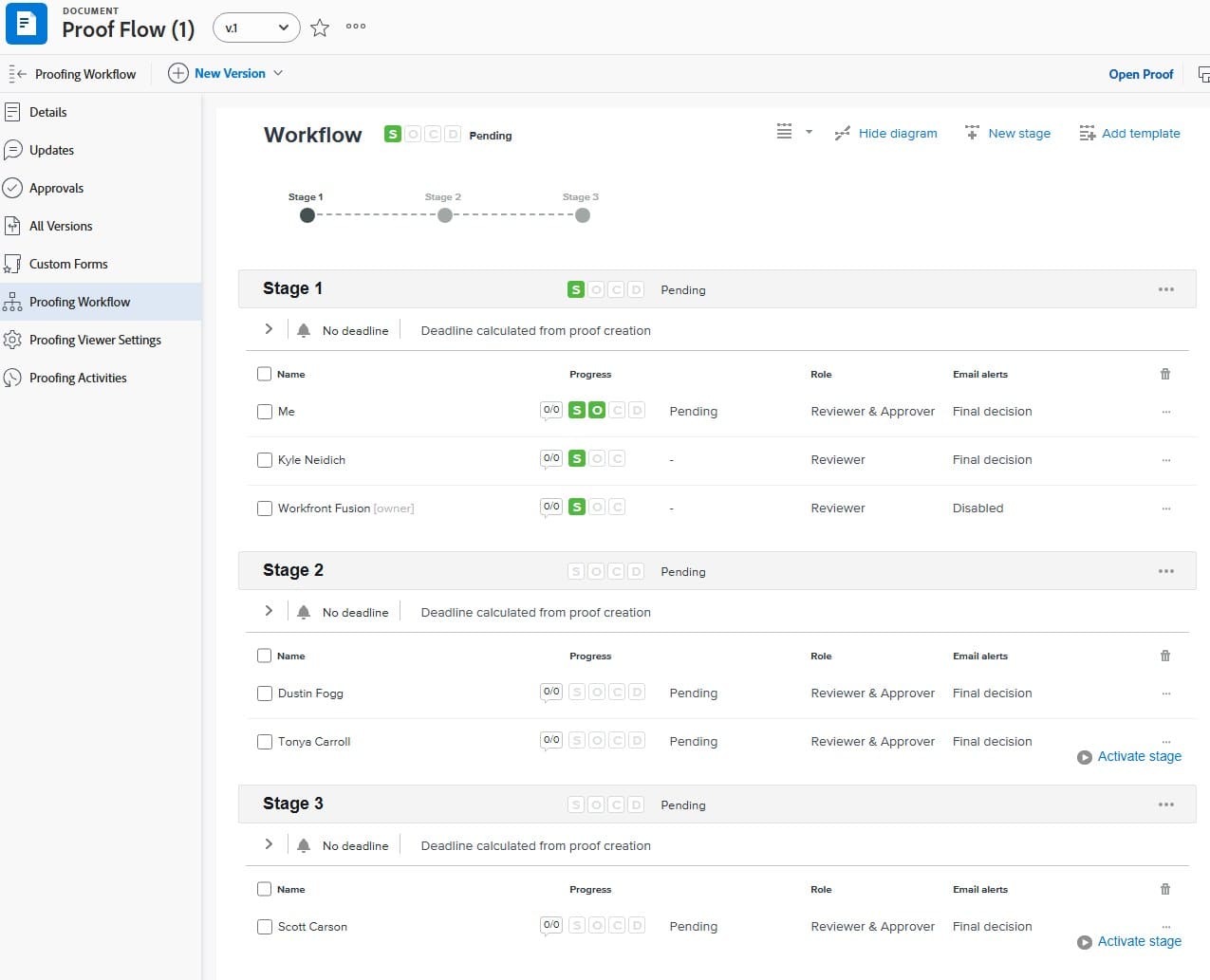
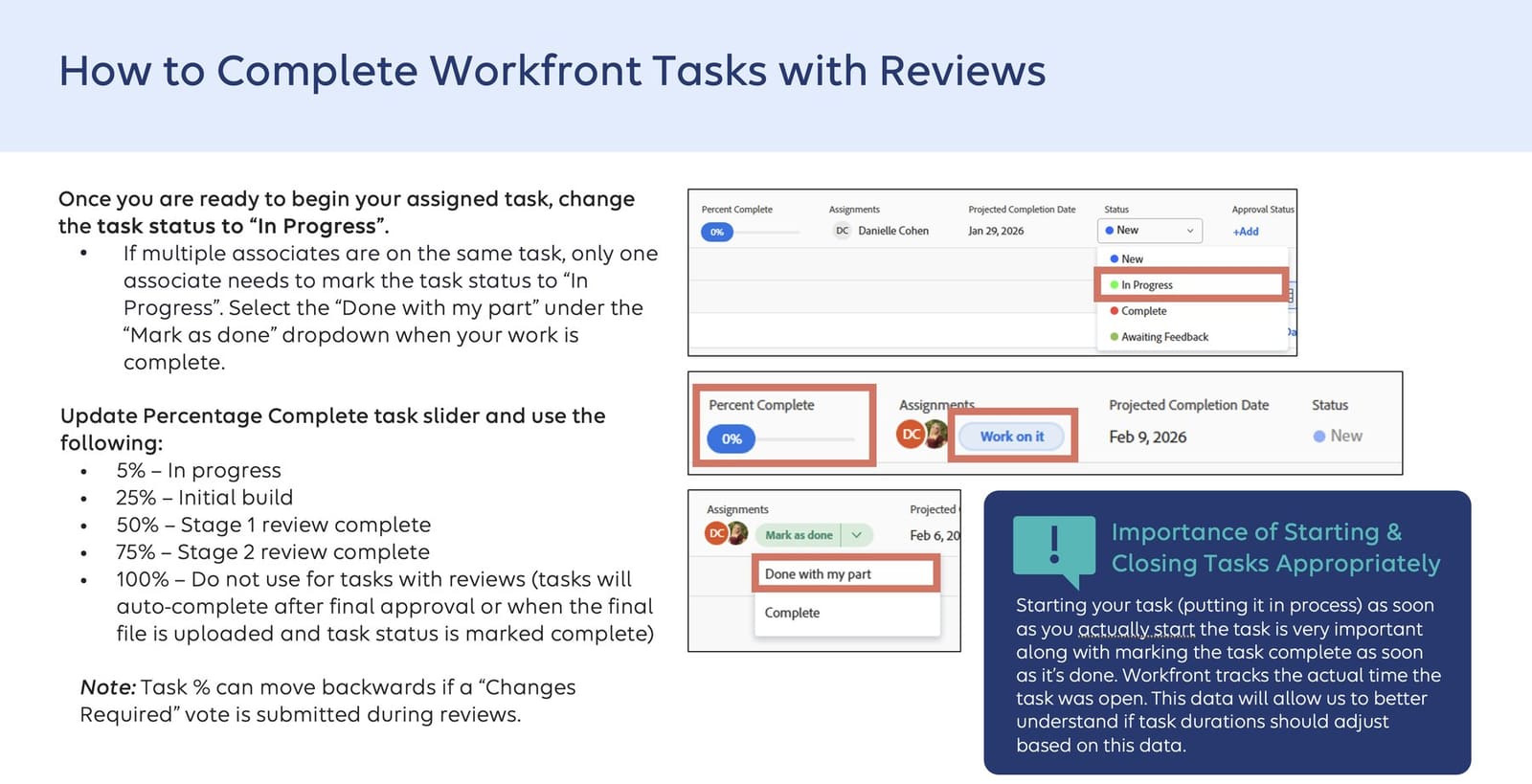
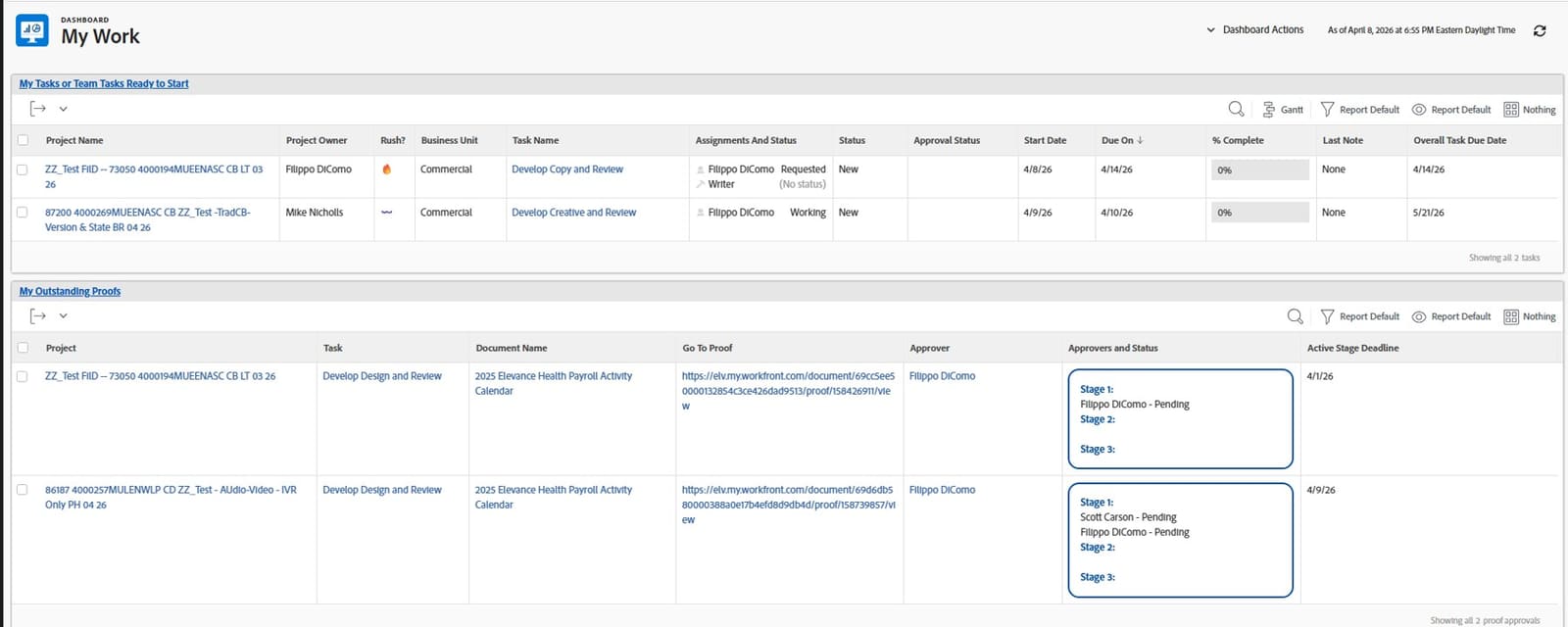
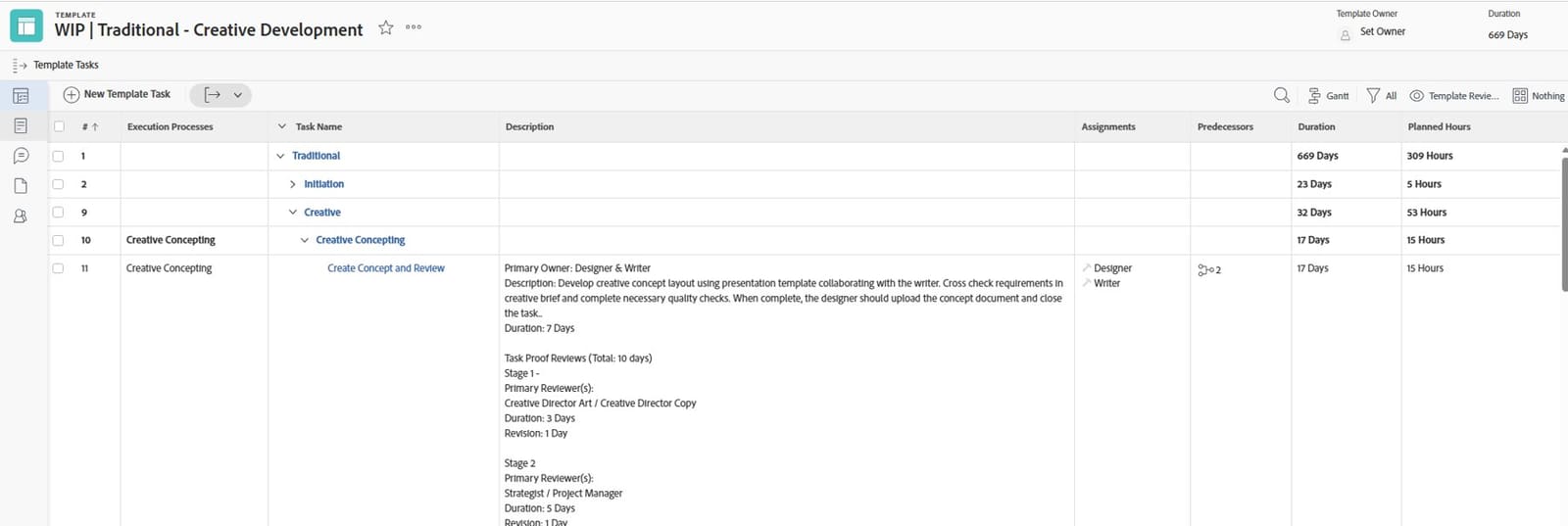
Rather than keep patching Single Spine, stand up a new instance from scratch — “Workfront Restart” — built around every pain point the old one had exposed. Rework how creative moves through it at ~75+ projects a month: phase timelines, batching, delegation, intake, and storage, so the timeline was realistic and the work actually moved faster.
// John's role
- ↳Led the creative side through both instances — Single Spine and the Workfront Restart rebuild
- ↳Served as the point person for the creative team
- ↳Sat on the workgroup committee implementing the changes and reporting to leadership
- ↳Redrew the phase strategy for every type of tactic and deliverable — and for shared pieces
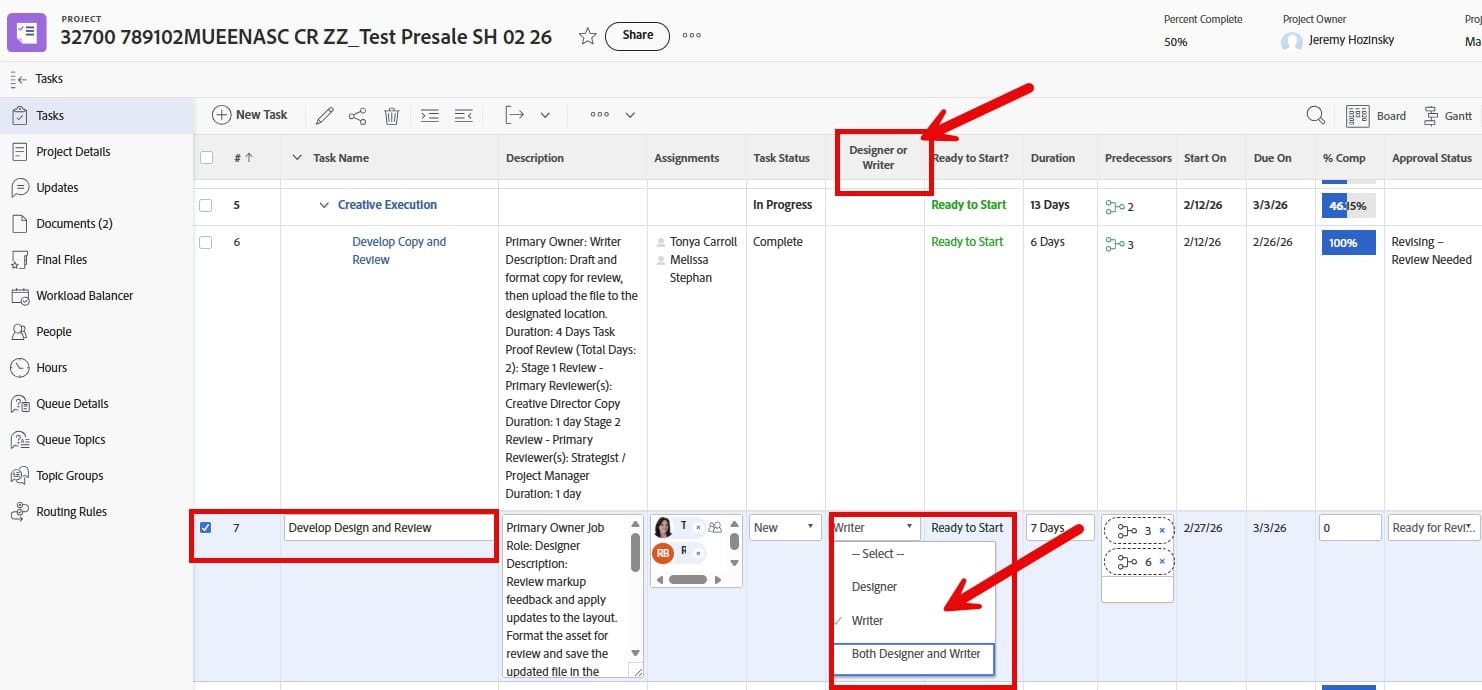
- ↳Reworked how work was batched, delegated to designers and writers, and shared across tasks
- ↳Changed intake and what it captured, server file storage, and how VPOD (Marketing Bench) materials were handled
Worked with
- ↳Creative team — writers and designers
- ↳Project managers and requesters
- ↳Workgroup committee and leadership
// Key decisions
Fix the phase timelines that scared everyone off
The task-by-task timeline was so long on paper that PMs and requesters balked immediately. We analyzed the overall timeline for every tactic and deliverable and drew a new phase strategy per piece type — a realistic timeline people could actually trust.
Batch, delegate, and share tasks
Reworked how work was grouped and handed to designers and writers, creating shared tasks where it made sense, to cut duplicated effort and speed the whole workflow.
Restart rather than keep patching
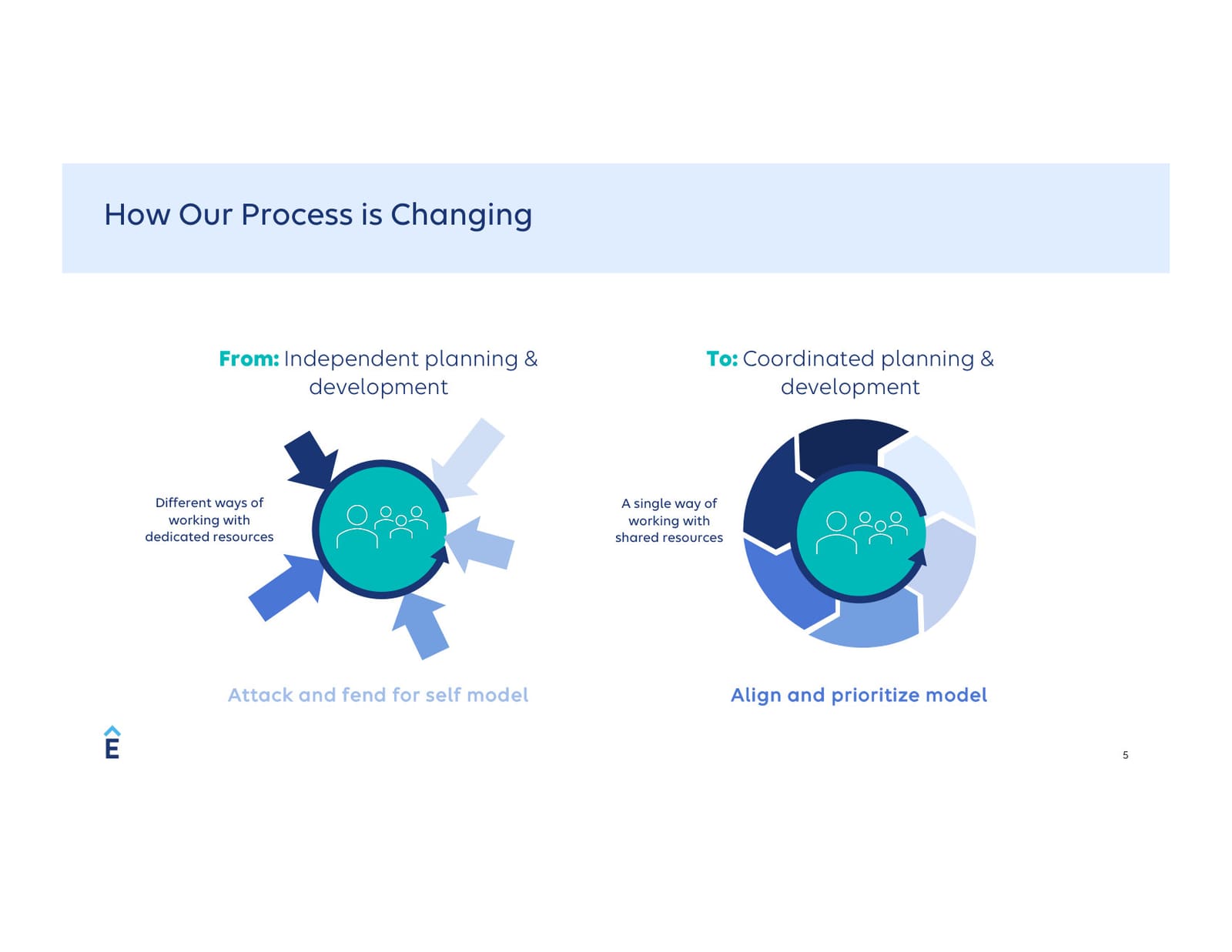
Single Spine had consolidated five Workfront systems into one, but the problems ran deeper than configuration. We captured every pain point across intake, management, and execution, then stood up a new instance from scratch built around them — a restart rather than another round of fixes on a foundation nobody trusted.
Change everything the workflow touched
Not just the phases — intake and what it captured, how files were stored on the server, and how variable print-on-demand materials were handled, so the efficiency held end to end.
// The outcome
- ↳Faster speed to market and time savings the business felt and appreciated
- ↳Fewer haphazard 'rush' jobs coming through the queue
- ↳A realistic timeline PMs and requesters would actually trust
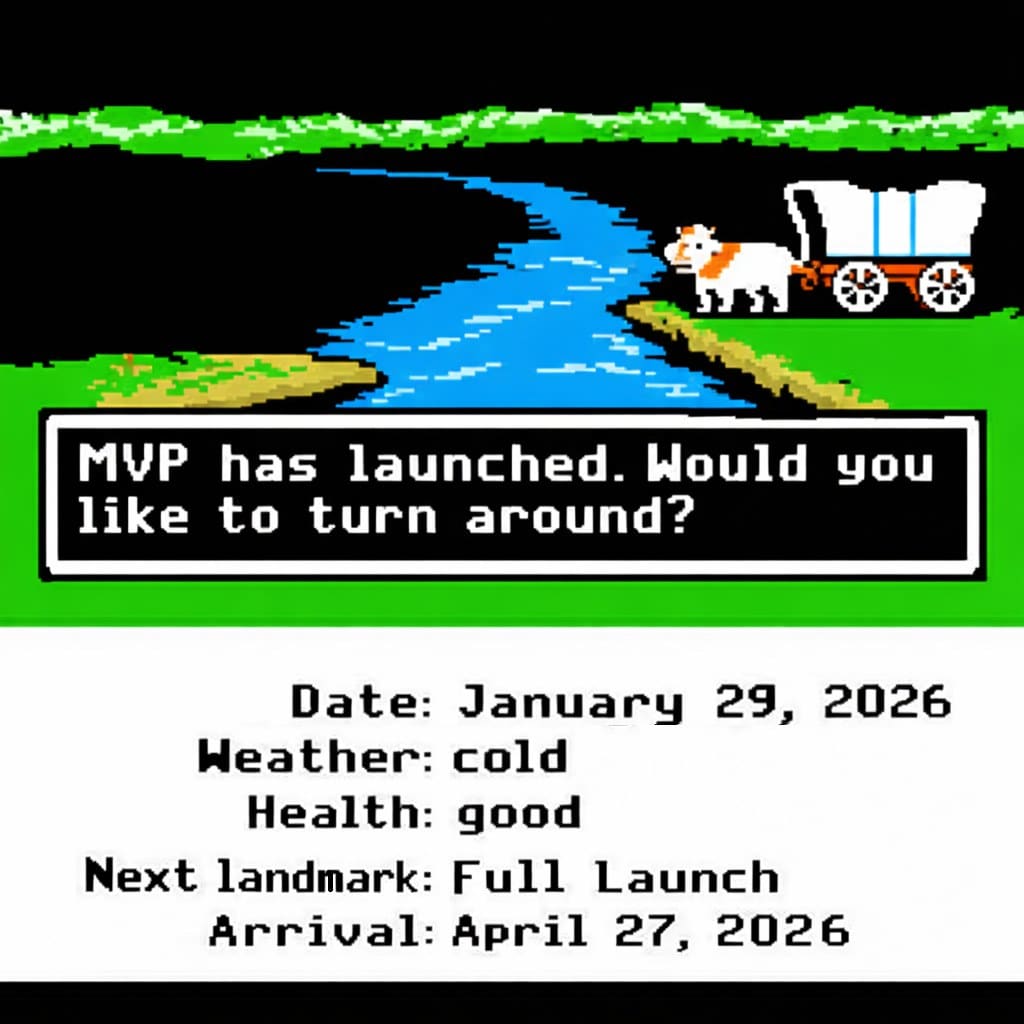
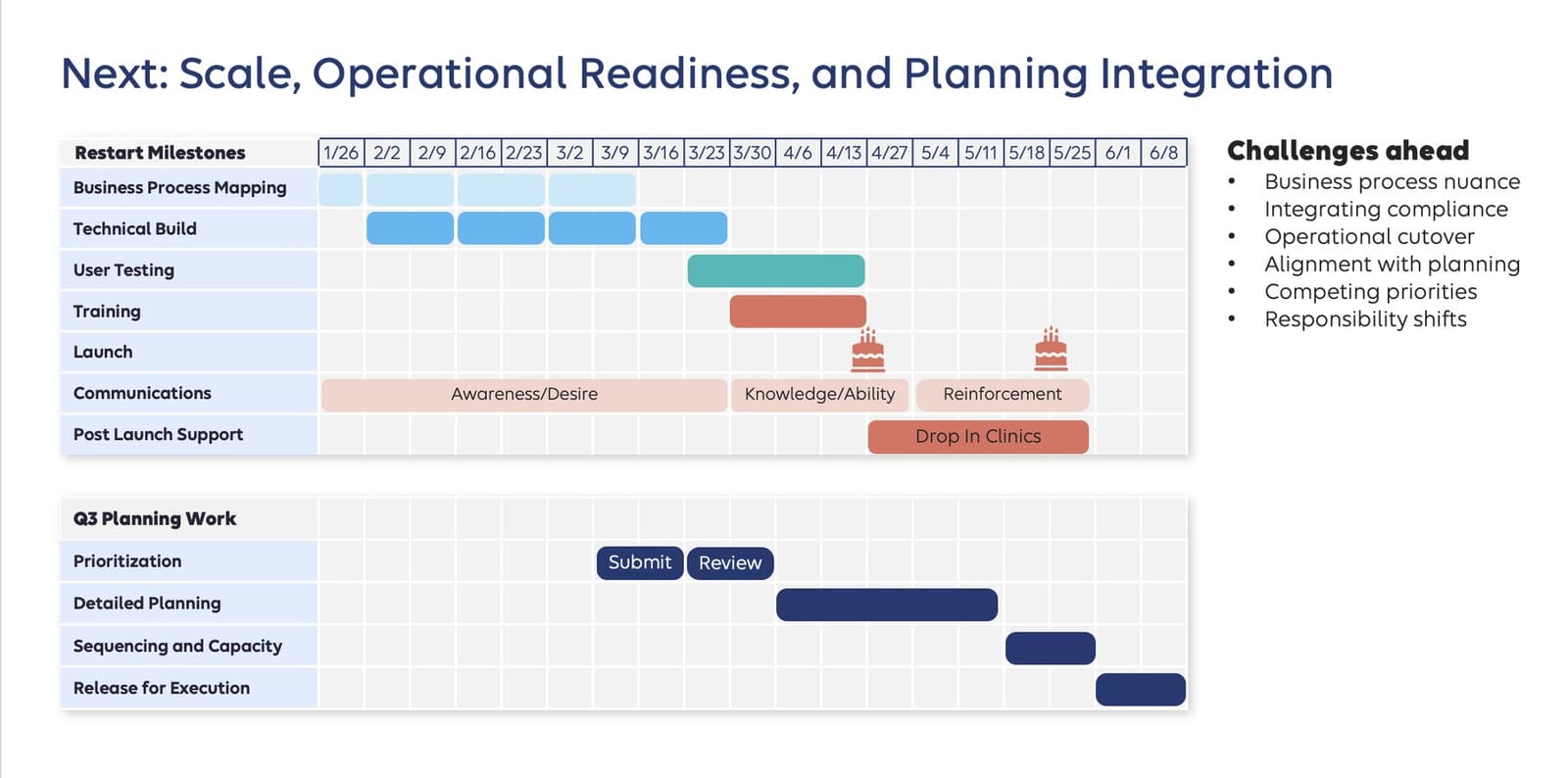
- ↳Shipped as a staged launch — MVP in January 2026, full launch that April
// Reflection
What it taught me: the best process fixes come from the people doing the work. Our team banded together to name every pain point across intake, management, and execution, then broke the process down and rebuilt it — improving it tremendously. With Workfront redesigned and relaunched, the team is working far more efficiently and communicating more effectively. Make the system honest and the work and the people both move better.